 Cartilage
 Knees
Knees Hip
Hip Shoulder
Knee Cartilage and Its Capacity for Repair
23/02/26


In recent years, there has been a noticeable rise in interest around innovative cartilage regeneration treatments, especially the so-called ‘magic German gel’. This enthusiasm reflects many patients’ hopes for new ways to reduce joint pain and regain movement without undergoing major surgery. However, it’s vital to separate fact from fiction by providing clear, evidence-based information about what such treatments can really achieve. Among these advances, ChondroFiller has gained attention as a promising option. This article will explore what ChondroFiller can genuinely offer, who is most likely to benefit from it, and where its limits lie. We also draw on expert insights from Professor Paul Lee, an orthopaedic surgeon at the London Cartilage Clinic, who provides care within a professional and supportive clinical setting.
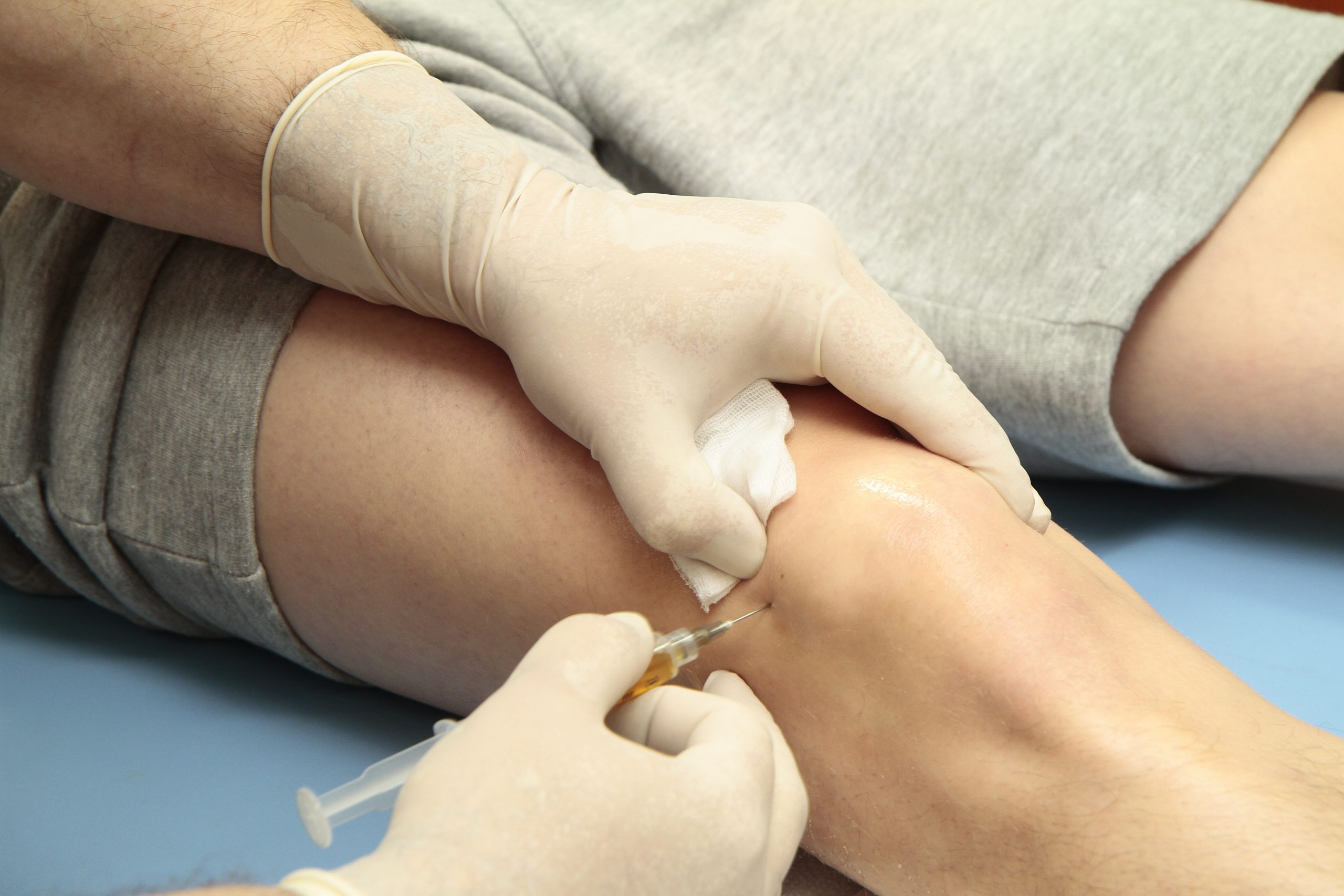
ChondroFiller is a gel made from natural collagen that acts like a scaffold to support the repair of small, localised areas of damaged cartilage. Rather than aiming to restore an entire joint, it helps the body regenerate cartilage at specific defect sites. Research shows that ChondroFiller encourages new cartilage to grow over these damaged areas, improving joint function and easing pain. One clinical study reassuringly stated, “Chondrofiller Liquid is shown to be a safe procedure which was able to provide satisfactory results in these first results.”
Another controlled, randomised trial focusing on knee cartilage repair found that “the ChondroFiller liquid method is a safe and simple workable method” with “good immediate filling of all treated defects in the MRI follow-ups.” They also observed that “the implant shows a perfect integration to the adjacent cartilage from the start, with impressive maturation of the repaired tissue over time.”
Supporting this, a recent study on hand osteoarthritis patients reported “an improvement in pain symptoms, accompanied by increased grip strength and pincer force.” While these findings are encouraging, it’s important to remember that ChondroFiller is not a miracle cure or a replacement for more extensive surgery. Instead, it offers a less invasive option that can provide meaningful benefits for carefully chosen patients.
ChondroFiller tends to work best for people with small, well-defined cartilage defects, who also have good joint alignment and stability. Those with early to medium-stage cartilage damage are more likely to see positive results, whereas it is less effective in advanced ‘bone-on-bone’ osteoarthritis, where cartilage loss is more widespread and severe. One study that followed patients after surgery noted positive effects for individuals with defects “up to 6 cm² in size.”
The same research on hand arthritis highlighted how “MRI scans showed changes in the joint profile after treatment, including reduced bone swelling and joint fluid in some patients,” suggesting real structural improvement.
A randomised controlled study on knee patients also reported that “patient scores improved significantly three and six months after treatment, with benefits lasting up to a year.”
Realistic expectations are essential: ChondroFiller can enhance the joint’s environment but does not fully reverse advanced joint damage. Careful clinical assessment is needed to determine who will benefit most. Professor Paul Lee’s comprehensive clinical experience helps ensure patients receive advice tailored to their specific condition and treatment goals.
ChondroFiller is not recommended for people with large areas of cartilage loss, severe joint misalignment, or late-stage osteoarthritis. In these cases, other treatments such as microfracture surgery or cell-based procedures (for example, autologous chondrocyte implantation) might be more appropriate. These alternative methods have different uses and outcomes, and sometimes can be used alongside ChondroFiller for better results.
It’s crucial to have a personalised assessment, as using ChondroFiller in unsuitable cases can lead to disappointment or poor outcomes. Experts also remind us that “thorough physical examination and careful medical history remain the fundamental and cost-effective tools” to decide the best course of action.
The best outcomes come from a carefully coordinated process involving diagnosis, treatment, surgery if needed, and rehabilitation—all tailored to the individual patient. At the London Cartilage Clinic, Professor Paul Lee leads a skilled team that combines surgical expertise with rehabilitation support, ensuring patients receive well-rounded care. This comprehensive approach builds trust and ensures that when treatments like ChondroFiller are chosen, they are used appropriately and effectively. Patients are encouraged to seek personalised advice rather than rely on general information or marketing claims.
ChondroFiller offers a promising minimally invasive option for cartilage repair within clearly defined limits. Its success depends on proper patient selection and having realistic expectations about its benefits. With expert guidance from clinicians like Professor Paul Lee and his team at the London Cartilage Clinic, patients can find a responsible and personalised path to improving their joint health. For tailored medical advice, always consult a qualified healthcare professional.
Breil-Wirth, A., von Engelhardt, L., Lobner, S., & Jerosch, J. (2016). Retrospective study of cell-free collagen matrix for cartilage repair. Orthopädie und Unfallchirurgie up2date. https://doi.org/10.3238/oup.2016.0515-0520
Corain, M., Zanotti, F., Giardini, M., Gasperotti, L., Invernizzi, E., Biasi, V., & Lavagnolo, U. (2023). The Use of an Acellular Collagen Matrix ChondroFiller® Liquid for Trapeziometacarpal Osteoarthritis. Cartilage. https://doi.org/10.1177/19476035251354926
Schneider, U. (2016). Controlled, randomized multicenter study to compare compatibility and safety of ChondroFiller liquid (cell free 2-component collagen gel) with microfracturing of patients with focal cartilage defects of the knee joint. Journal of Case Reports and Studies. https://doi.org/10.5348/VNP05-2016-1-OA-1
ChondroFiller is a minimally invasive gel that helps the body regenerate cartilage in damaged areas. At London Cartilage Clinic, Professor Paul Lee leads its expert use, offering advanced options with individualised care and evidence-based treatment recommendations, delivering enhanced support throughout patients’ recovery journeys.
ChondroFiller is most effective for patients with small, localised cartilage defects and stable joints. Professor Paul Lee provides personalised assessments at London Cartilage Clinic to determine suitability, drawing on extensive orthopaedic experience for optimal and realistic outcomes tailored to each patient’s needs.
ChondroFiller is generally not recommended for those with severe cartilage loss, significant joint misalignment, or advanced osteoarthritis. At London Cartilage Clinic, Professor Paul Lee ensures patients receive only appropriate treatments, relying on thorough clinical evaluation to identify the best course of care.
Professor Paul Lee is a renowned cartilage expert with ambassadorial roles at the Royal College of Surgeons. At London Cartilage Clinic, he combines surgical skill and patient-centred care, collaborating with a multidisciplinary team to provide advanced, evidence-based treatments and rehabilitation for joint and cartilage concerns.
Patients can expect honest, personalised advice based on the latest evidence and a thorough clinical assessment. Professor Paul Lee and his team at London Cartilage Clinic guide individuals through treatment options like ChondroFiller, ensuring care is tailored, ethical, and focused on overall joint health improvement.
All our treatments are selected to help patients achieve the best possible outcomes and return to the quality of life they deserve. Get in touch if you have any questions.
At London Cartilage Clinic, we are constantly staying up-to-date on the latest treatment options for knee injuries and ongoing knee health issues. As a result, our patients have access to the best equipment, techniques, and expertise in the field, whether it’s for cartilage repair, regeneration, or replacement.
For the best in patient care and cartilage knowledge, contact London Cartilage Clinic today.
At London Cartilage Clinic, our team has spent years gaining an in-depth understanding of human biology and the skills necessary to provide a wide range of cartilage treatments. It’s our mission to administer comprehensive care through innovative solutions targeted at key areas, including cartilage injuries. During an initial consultation, one of our medical professionals will establish which path forward is best for you.
Contact us if you have any questions about the various treatment methods on offer.
Legal & Medical Disclaimer
This article is written by an independent contributor and reflects their own views and experience, not necessarily those of londoncartilage.com. It is provided for general information and education only and does not constitute medical advice, diagnosis, or treatment.
Always seek personalised advice from a qualified healthcare professional before making decisions about your health. londoncartilage.com accepts no responsibility for errors, omissions, third-party content, or any loss, damage, or injury arising from reliance on this material. If you believe this article contains inaccurate or infringing content, please contact us at [email protected].